
From the farm shop to the wider market: direct marketing with a future
For many farmers, a farm shop is the obvious entry point into direct marketing. Their goal is to develop new revenue streams that make them less dependent on conventional marketing channels.
Aber in der klassischen Landwirtschaft gilt oft: große Flächen, wenige Kulturen. Das schränkt die Möglichkeiten von Landwirten für den Aufbau eines wirklich erfolgreichen Direktvertriebes ihrer Produkte und zur Erlangung von mehr Unabhängigkeit stark ein.
Aquaponics: More diversity, new target groups
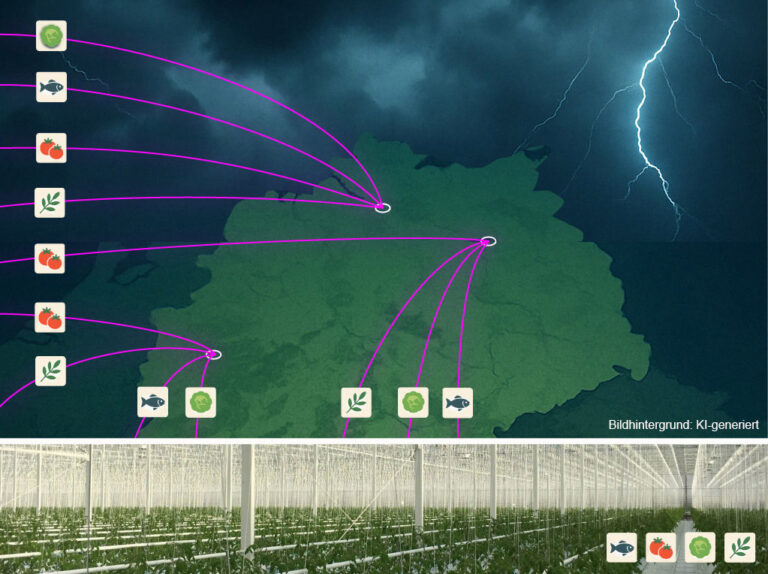
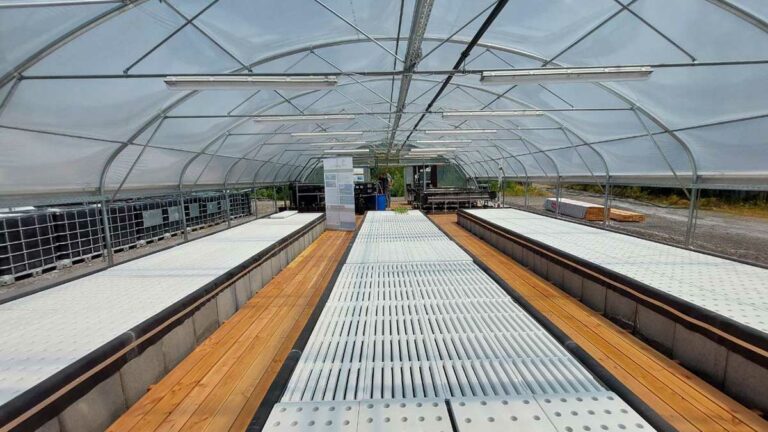
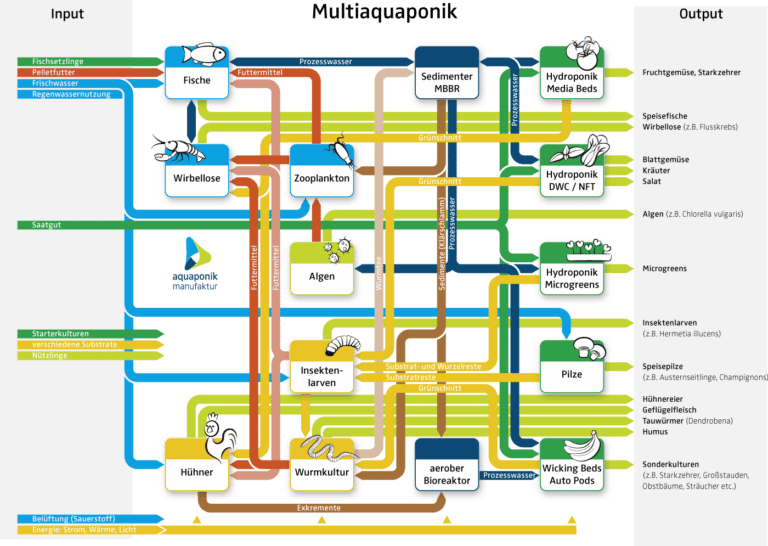
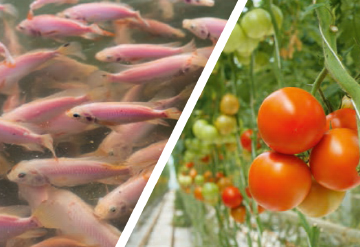
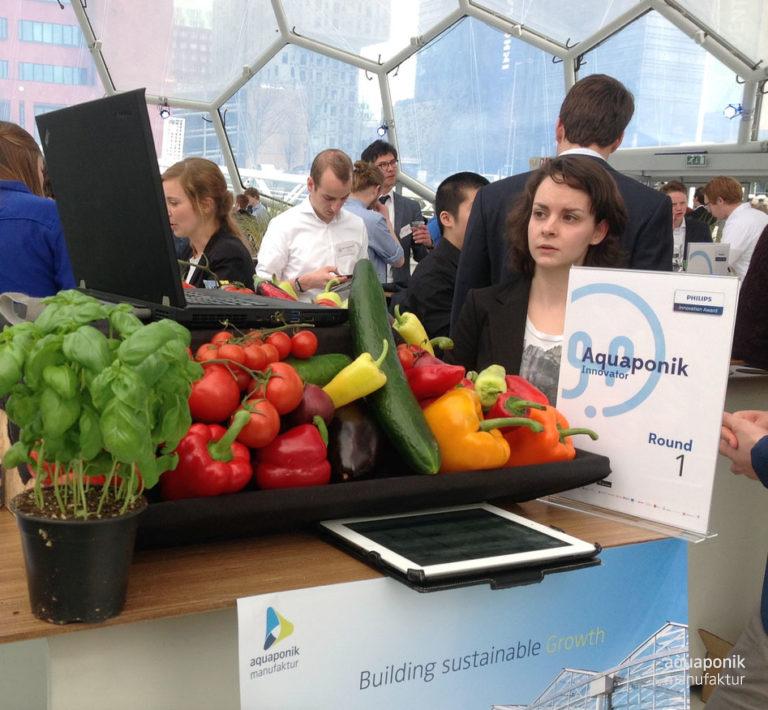
This is where innovative medium-sized aquaponics systems offer a new opportunity. Aquaponics systems work differently. By combining fish and plant production, operators can produce many different crops in parallel on a relatively small area – from lettuce and herbs to almost every type of fruit and vegetables. This diversity opens up opportunities for direct marketing that go far beyond the typical farm shop model.
At first glance, the high productivity of aquaponics appears very challenging. Even smaller systems quickly reach annual production volumes of fish and, above all, vegetables, ranging between 40 and 50 tons. These quantities initially seem difficult to imagine being successfully marketed. Upon closer inspection, however, these dimensions quickly lose their appeal.
The farm shop as a proven model
The farm shop is not only the physical hub of distribution and the primary point of sale. It's also a showcase for your own production and an attractive anchor point for photos and social media content. But can you really reliably sell the large production volumes from an aquaponics system through direct sales alone?
An example: A medium-sized aquaponics system with around 866 m² net cultivation area produces around 830 kg of vegetables per weekA typical household buys on average 81 kg of fresh vegetables per yearIf the farm shop can cover 25% of this demand, this corresponds to a weekly purchase of 1.6 kg per householdIn order to sell the entire weekly production exclusively in the farm shop, around 520 households per week necessary. With a realistic market penetration of 2 % This means a catchment area of at least 52,000 inhabitantsIn rural areas this corresponds to a radius of approximately 12kmin urban environments a radius of only 3 km.
A farm shop can market large quantities of products. However, this naturally requires a high degree of planning and organization in production and distribution. Nevertheless, revenue will not always flow evenly. Additional diversification of distribution channels can help significantly reduce existing market risks. The farm shop is the perfect platform for reaching end consumers directly and opening doors to other target groups, such as restaurants or catering businesses.
Gastronomy, catering and commercial kitchens – the stable customers
A key pillar for operators is the supply of restaurants, canteens, or catering businesses. Here, larger, predictable quantities are purchased. For example, an owner-operated restaurant with 15 tables and around 350 guests per week consumes approximately 90 kg of vegetablesOf these, 30–35 kg from aquaponics. Five restaurants of this type already cover almost 205 of a weekly production – a stable base load that significantly reduces the pressure on end-customer sales.
Complementary models: subscription boxes and delivery services
In addition to restaurants and farm shops, there are models that cater to modern consumer habits:
-
- Subscription Boxes Weekly packages of vegetables – supplemented with fish upon request – create loyal customers who regularly lose several kilos per week.
-
- Delivery ServicesEspecially in urban areas, short distances can be used to deliver directly to restaurants and households. With fixed route plans, this can be implemented efficiently and predictably.
- Delivery ServicesEspecially in urban areas, short distances can be used to deliver directly to restaurants and households. With fixed route plans, this can be implemented efficiently and predictably.
Digital support for direct marketing
Direct marketing doesn't end with physical sales. An active website with local search engine optimization and a consistent social media presence can play a decisive role in acquiring new customers and building long-term reach. This digital visibility is particularly worthwhile for farm shops and subscription businesses: It builds trust and ensures that the product is found in the relevant area.
Conclusion
The farm shop is an important starting point and anchor point from which other stable customers, such as restaurants, catering businesses, or canteens, can be developed. This gradually creates a resilient network of diverse customers.
If a delivery service is also set up, all target groups benefit equally: end consumers – especially less mobile customers – receive their goods free of charge, and for restaurants and commercial kitchens, reliable delivery can be an important criterion in purchasing decisions.
The result is a multi-layered distribution systemwhich opens up new markets and thus spreads the risk and utilizes many synergies.
In addition to the attractiveness of the products, a certain degree of diversity is also required for direct marketing. Farmers and horticulturalists can achieve this in many ways – if this diversity is currently lacking, aquaponics can be the perfect solution.
Next step: Discuss your options – Would you like to learn more about the opportunities aquaponics and direct marketing can offer for your business? We'd be happy to schedule a free consultation.
Call us. You can reach us at: +49 02835 9819463
Contact us by email: info@aquaponik-manufaktur.de