Why controllable production systems are becoming increasingly important for agriculture, horticulture and regional food supply.
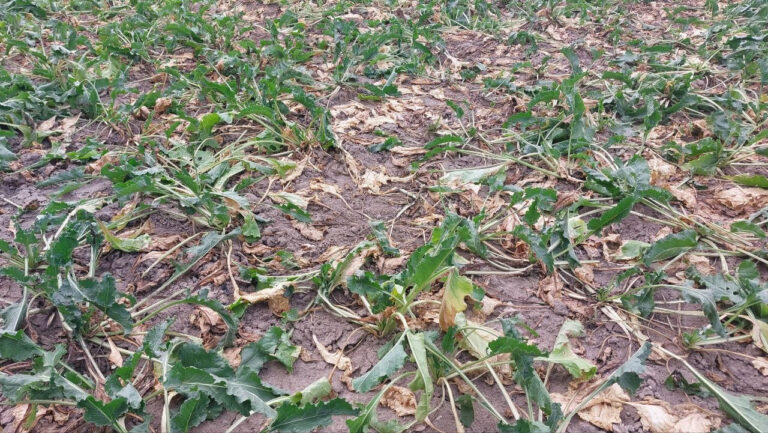
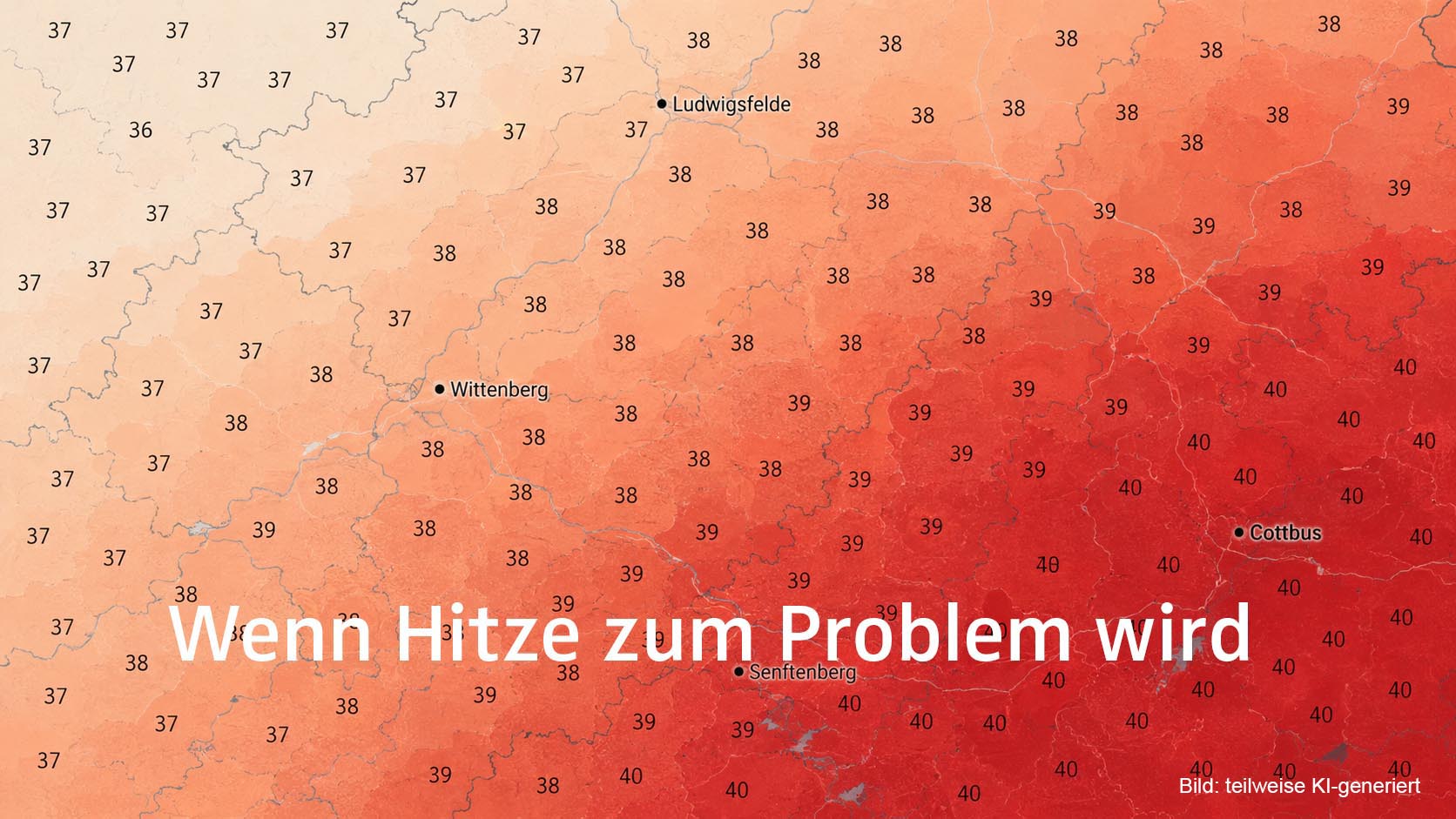
The current heat waves vividly demonstrate that extreme temperatures are becoming an increasingly significant challenge for agricultural production in Germany as well. As early as the end of June, crops in many areas are already experiencing heat stress, even before the peak of summer has arrived. Plants close their stomata, photosynthesis is reduced, growth and yield come under increasing pressure.
This clearly demonstrates how vulnerable open-field agricultural production can be. Heat, drought, heavy rainfall, hail, and severe wind gusts do not occur in isolation, but often during brief, extreme weather episodes.
For agricultural businesses, horticultural enterprises, and regional food systems, the question therefore arises: How can production become more stable, predictable, and resilient in the future?
Heat-induced thunderstorms: Irrigation lottery with a risk of damage
When the long-awaited cooling finally arrives, it often comes in the form of heat-induced thunderstorms. While they do bring rain, they frequently also deliver heavy downpours, hail, and severe wind gusts. From the perspective of crop production, however, heavy rain does not constitute reliable irrigation; large volumes of water strike the ground in a short space of time, falling on soil with limited absorption capacity following periods of heat and drought.
The result is problematic: water runs off the surface, soil erodes, nutrients are washed out, and plants only benefit to a limited extent from the precipitation. If hail and wind are added, crops can be directly damaged. The urgently needed cooling then becomes an irrigation lottery with a damage bonus.
The more frequently such extreme weather events occur throughout the year, the greater the challenge for cultivation becomes. The number of hot days in Germany is increasing over the long term. While the national average was 4.2 hot days per summer during the 1961–1990 period, this figure rose to 8.9 days between 1991 and 2020. These are defined as days with a maximum temperature of at least 30°C. [1.]
However, this long-term trend describes only part of the dynamic. Recent heatwaves, in particular, demonstrate how early, how prolonged, and how severe such episodes can now be. During the heatwave of June 2026, the German Weather Service (DWD) noted that the period of heat warnings—expected to last twelve days—could rank among the longest since the heat warning system was introduced. At the time of writing, the final climatological assessment of this heatwave is still pending. [2.]
CEA makes cultivation more controllable.
One possible answer lies not in replacing traditional agriculture, but in supplementing it with protected and controllable production systems. Internationally, the term Controlled Environment Agricultureor short CEAis frequently used
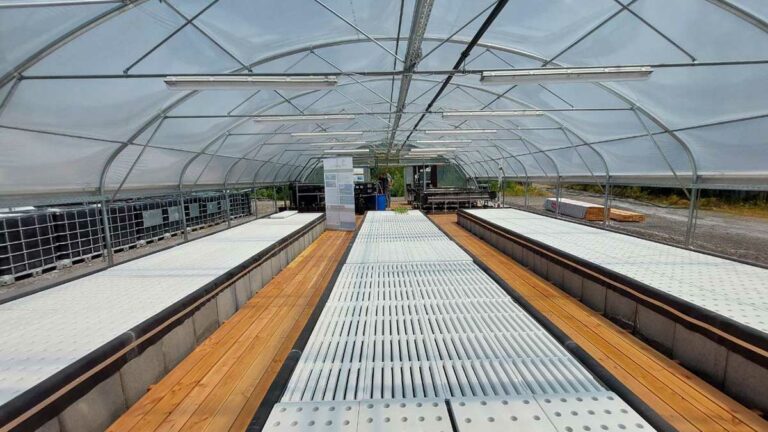
This refers to cultivation systems in which climate, water, nutrients, and growing conditions can be precisely controlled. These include modern greenhouses, hydroponic systems, vertical farming concepts, and aquaponic facilities.
Such CEA systems create a production environment that is much easier to control. Heat, drought, heavy rain, hail, and wind no longer directly affect the crops; instead, their impact is buffered by the building envelope, climate control systems, water management, and technical equipment.
Furthermore, production conditions can be maintained largely within optimal parameters, which prevents damage and not only secures but also can help to increase yields.
Provide shade, cool, protect, and supply
A common misconception is that it gets even hotter inside a greenhouse. After all, there was a reason greenhouses were historically referred to as "hothouses." However, this image does not do justice to modern commercial greenhouses.
Modern greenhouses are designed to maintain crops within a productive temperature and light range. In addition to controlled ventilation, energy and shading screens can be used to precisely regulate solar radiation, temperature, and light availability. Active or passive cooling can also play a role.
In open Greenhouses so called pad-and-fan-Systems are used. In this process, outside air is drawn through moistened cooling pads, lowering the air temperature. In other concepts, supply air can be mechanically cooled—for instance, using heat pumps in reverse mode or other cooling systems.
Temperature control is also a crucial factor in aquaculture. Depending on the fish species or production goal, water parameters must be maintained within strict limits. For trout, for instance, low water temperature plays a key role, whereas other species tolerate higher temperatures. The decisive point is that production is not left to the weather but is actively managed.
Another significant advantage of protected production systems lies in the protection of the crops. Extreme events can, of course, also damage greenhouses. A tornado or an exceptionally severe storm cannot simply be planned away. However, modern greenhouses can be equipped (with tempered safety glass) in such a way that they withstand hailstorms grain sizes of up to approximately 3 cm in diameter (HW 3), depending on the design and glazing.
However, the most important characteristic of CEA lies in the continuous supply of the plants. Water and nutrients are not provided haphazardly through precipitation but are supplied in a controlled manner. This makes it possible to significantly reduce drought stress, nutrient deficiencies, and extreme fluctuations.
Aquaponics and CEA offer greater control over production
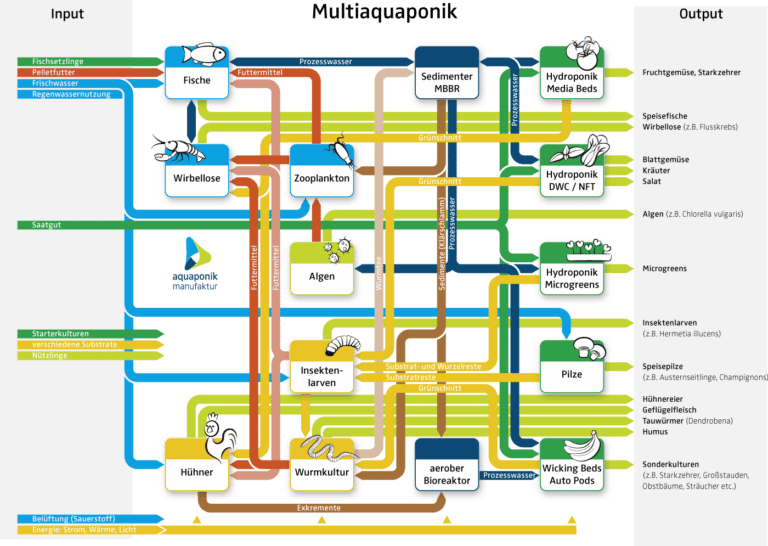
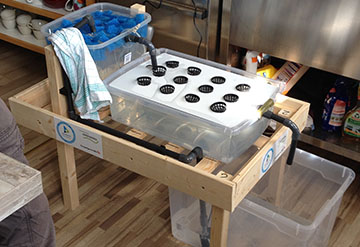
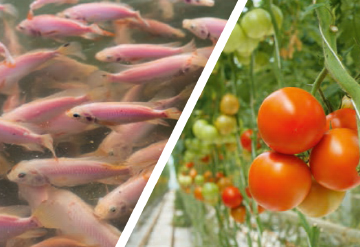
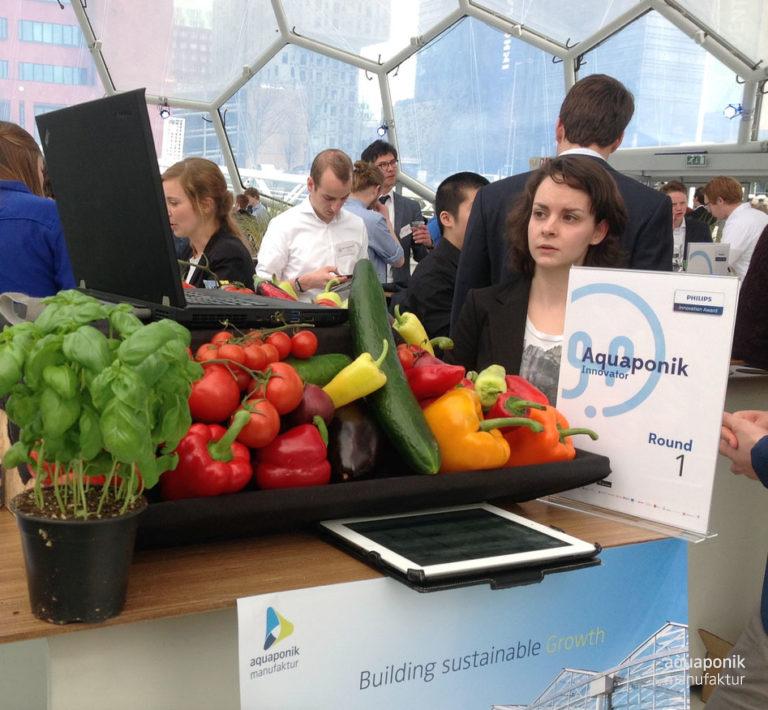
Aquaponics, in particular, combines several advantages: water is recirculated, aquaculture and plant production can be integrated, and sensitive crops can be grown under protected conditions.
In an aquaponic system, nutrients are generated during fish farming and—following appropriate processing—utilized for plant production. At the same time, water is recirculated rather than being lost after a single use. This makes aquaponics particularly attractive for locations where water availability, energy flows, nutrient cycles, and regional food production are to be increasingly integrated in future planning.
Aquaponics thus serves as a building block for more resilient production systems; it is ideally suited for regional marketing—potentially as an additional revenue stream—and acts as a valuable complement to conventional agriculture.
Sources
[1.] ZDFheute based on DWD data: Trend in hot days in Germany, comparison of 1961–1990 and 1991–2020.
[2.] Deutscher Wetterdienst, press release, 25 June 2026, “Deutscher Wetterdienst warns of prolonged heat”: https://www.dwd.de/DE/presse/pressemitteilungen/DE/2026/20260625_dwd-warnt-ueber-langen-zeitraum-vor-hitze_news.html