Circular supply – independent of weather and the world market
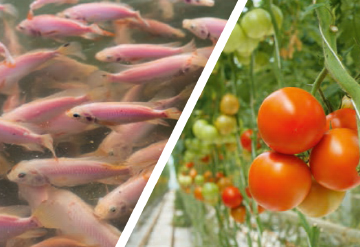
In a world fraught with climate risks, fragile supply chains, and rising prices, aquaponics offers a future-oriented solution for food production. Aquaponics – the combined closed-loop system of fish and plants – is also the forward-looking answer to many relevant food security questions.
Protected cultivation instead of weather risks
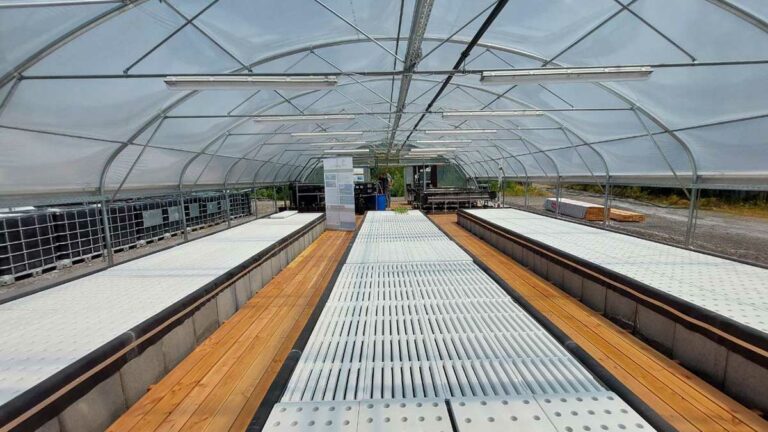
Aquaponics is realized within the Controlled Environment Agriculture (CEA) concept. betrieben.
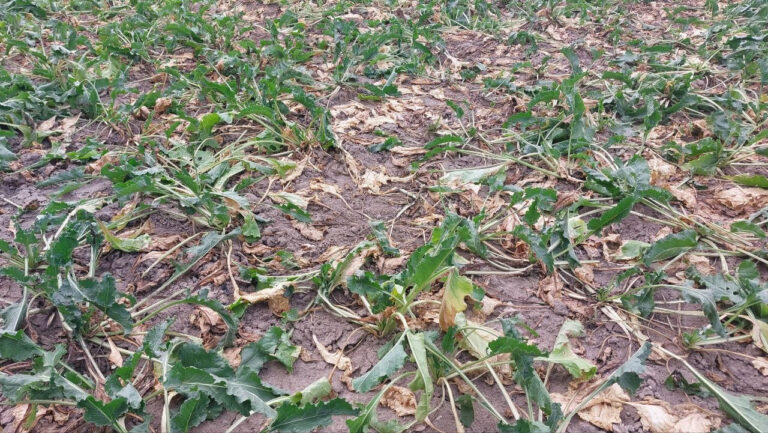
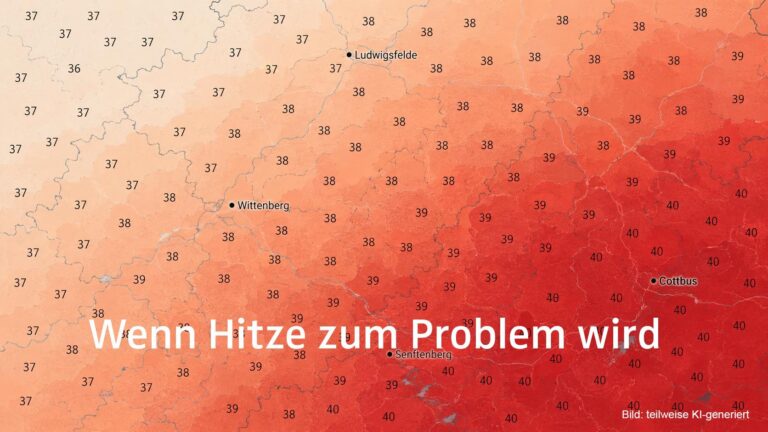
This means that the plants grow in closed or semi-closed greenhouses or halls. Therefore, they are Protected year-round from heavy rain, hail, drought, flooding and heat waves.While field farming increasingly suffers from climate extremes, aquaponics creates stable, predictable production conditions.
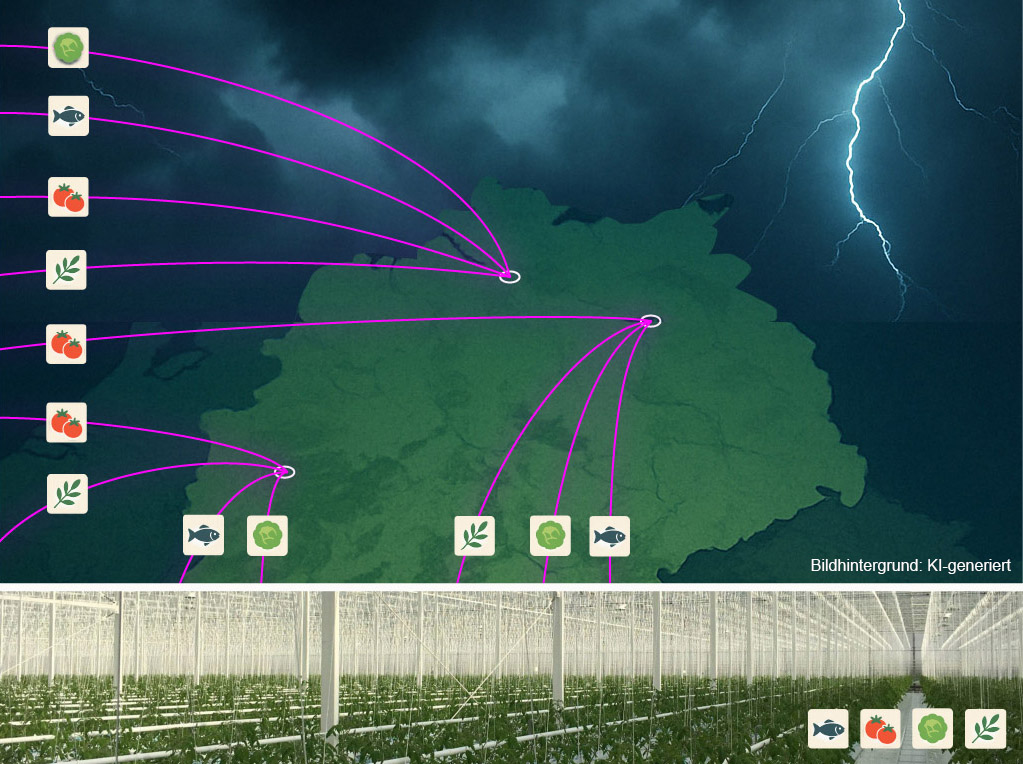
Regional production and short supply chains
Aquaponics systems can be build close to consumer centers from suburban locations to urban farms. This eliminates long, vulnerable construction sites. Logistics chainswhich require transport across continents for everyday food products. This not only reduces CO₂ emissions, but also lowers the risk of supply disruptions and spoilage.
Clean cycles – controlled ingredients
In the cycle of fish and plants are No chemical pesticides, herbicides or fungicides are necessaryMineral fertilizers are also unnecessary, as the plants benefit from the natural nutrients provided by the fish. What is needed seeds, fish food and few micronutrients such as iron chelate or natural pH buffers.
The result: low-residue foodsfree from pesticides, hormone-like substances, drug residues and microplastics – crucial advantages for consumers.
Quality assurance through consistent conditions
In CEA systems, temperature, light, humidity and nutrient levels are controlled precisely..
These consistent conditions allow constant quality in terms of taste, appearance, and nutritional content. Disease risks can also be specifically addressed – without chemical intervention.
Flexible cultivation planning and diversification
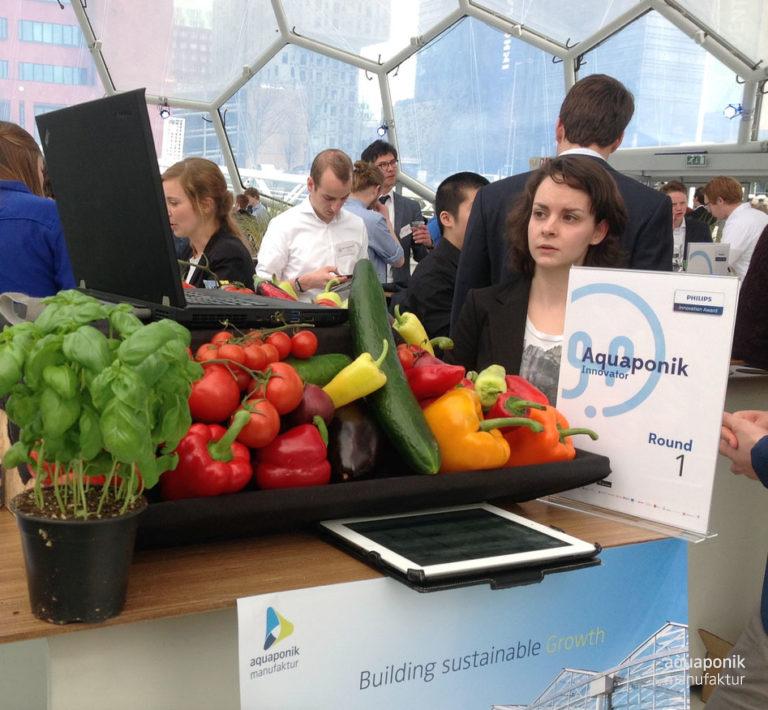
Aquaponics enables rapid adaptation to new culturesfrom lettuce to herbs, from cucumbers to peppers – depending on demand and available cultivation methods, using a seasonal strategy. This increases the resilience in food production and ensures a continuous supply.
Supply insurance: More independent of global crises
Aquaponics is more than protected cultivation – it is security of supply in system form.
With just a few basic materials such as seeds, fish food and micronutrients, a plant can be run long independent of global supply chains When supply chains falter or extreme weather affects the fields, the biological cycles remain stable – and the supply is secured.
Leverage synergies, save raw materials
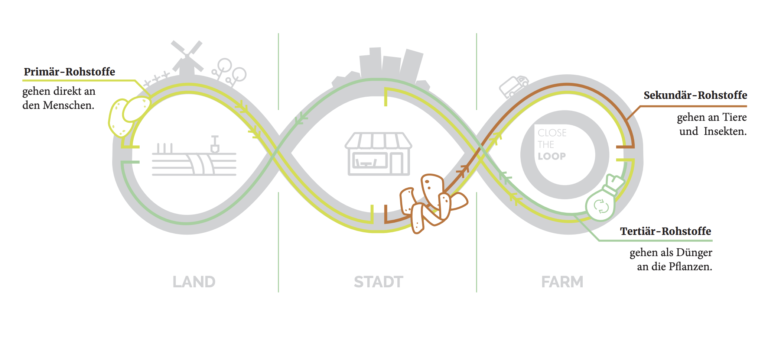
Because nutrients circulate in the cycle, the need for external raw materials decreases.
Zusatzstoffe sind predominantly natural materialsfor example, beneficial insects for biological pest control. This not only reduces costs but also makes the entire production process more efficient more independent of global markets.
Conclusion: A system for food sovereignty
Aquaponics combines food safety with ecological and economical efficiency..
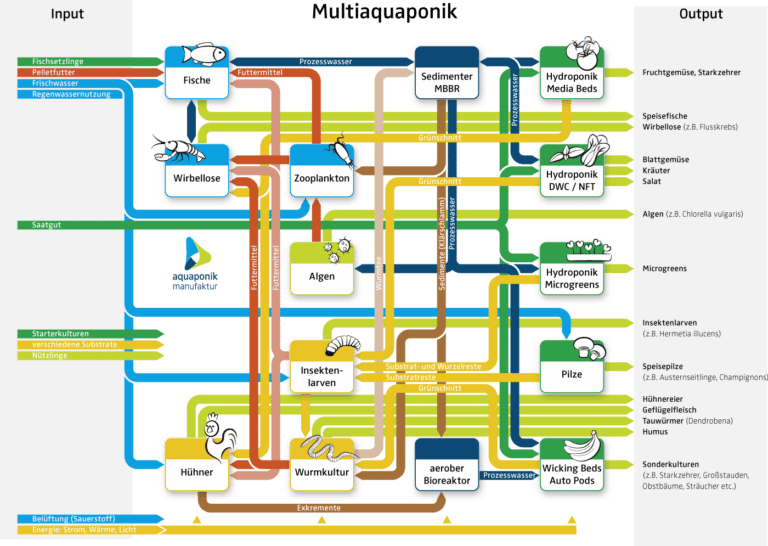
Protected production, short transport routes, clean cycles and flexible cultivation concepts create a robust and future-proof supply – from the urban microgreens farm to the large-scale productive biotope on the city's outskirts, with fish, fruiting vegetables, salad, herbs and microgreens.
Aquaponics is not only an innovative circular economy, but also a step towards a safer and more sustainable future of food.
Call us. You can reach us at: +49 02835 9819463.
Contact us by email: info@aquaponik-manufaktur.de