Water Scarcity in Europe: Why Aquaponics Can Be Part of Water-Efficient Agriculture
Wasser wird in der Landwirtschaft zunehmend zum Flaschenhals. Aquaponik spart bis zu 90 Prozent Wasser und ermöglicht kontrollierte Produktion im Kreislauf.

Wasser wird in der Landwirtschaft zunehmend zum Flaschenhals. Aquaponik spart bis zu 90 Prozent Wasser und ermöglicht kontrollierte Produktion im Kreislauf.
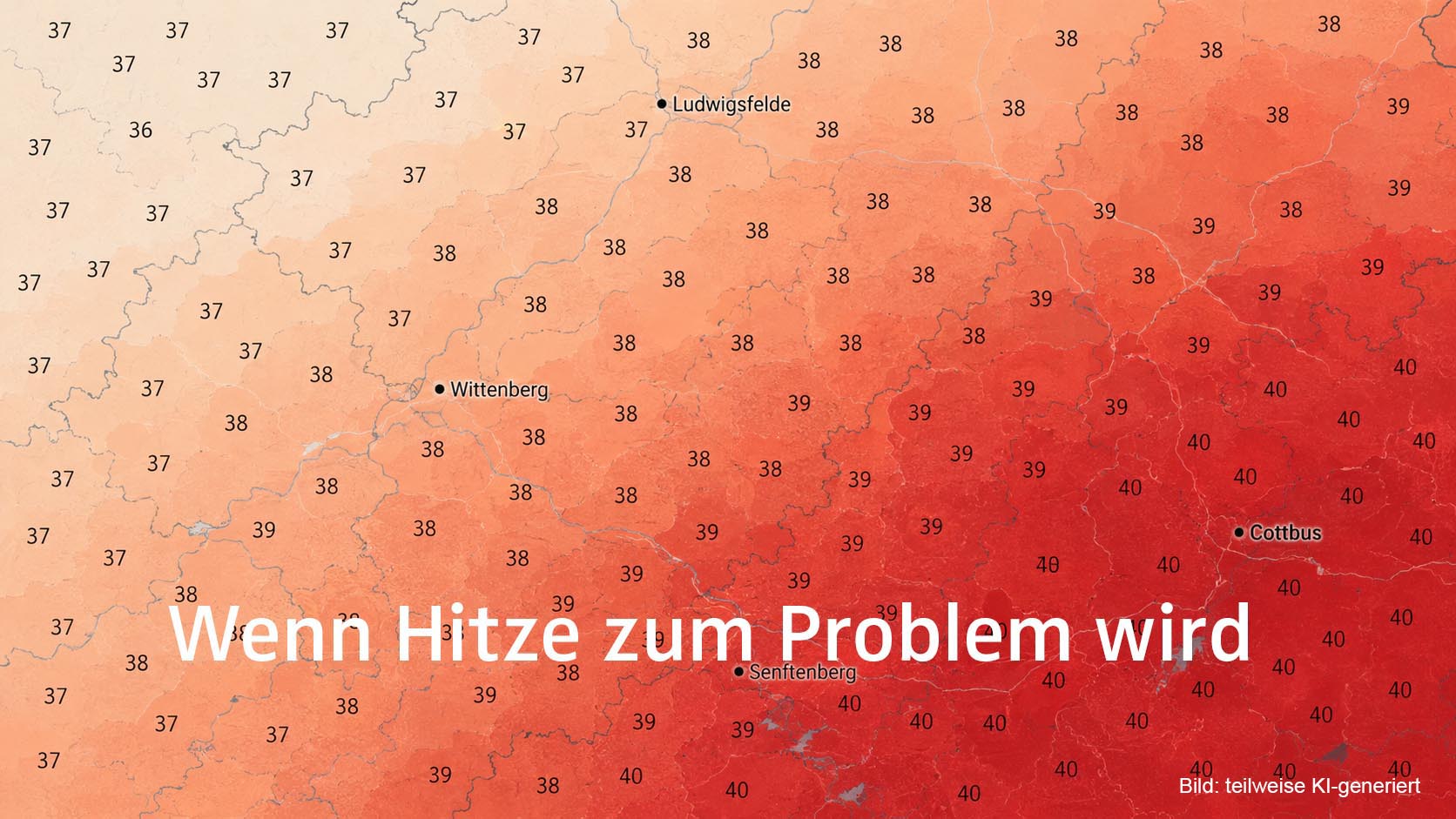
Warum kontrollierbare Produktionssysteme für Landwirtschaft, Gartenbau und regionale Versorgung wichtiger werden. Die aktuellen Hitzewellen zeigen eindrucksvoll, dass extreme Temperaturen auch in Deutschland zu einer immer

Warum die neue Kreislaufwirtschaftsstrategie auch die Landwirtschaft betrifft Am 3. Juni 2026 hat das Bundeskabinett ein Aktionsprogramm zur Umsetzung der Nationalen Kreislaufwirtschaftsstrategie beschlossen [1.]. Ziel

In Deutschland werden derzeit täglich rund 50 Hektar Fläche neu für Siedlungs- und Verkehrszwecke in Anspruch genommen. [1.] Viele dieser Flächen stehen der Landwirtschaft in

The APM aquaponics calculator allows for rough project calculations and economic assessments. It is a practical tool designed to provide a sound initial evaluation.

Wie schön, all die bekannten Gesichter unserer kenianischen Partner vom Living Lab der Egerton Universität in Nakuru, Kenia auf den Fotos wiederzusehen und viele neue,

The circular economy is the necessary goal of our economic transformation. But for this change to succeed, we urgently need evidence-based decision-making tools.

Waste heat utilization as an economic advantage: Aquaponics can utilize waste heat, thus reducing energy consumption and enabling affordable, predictable year-round operation.
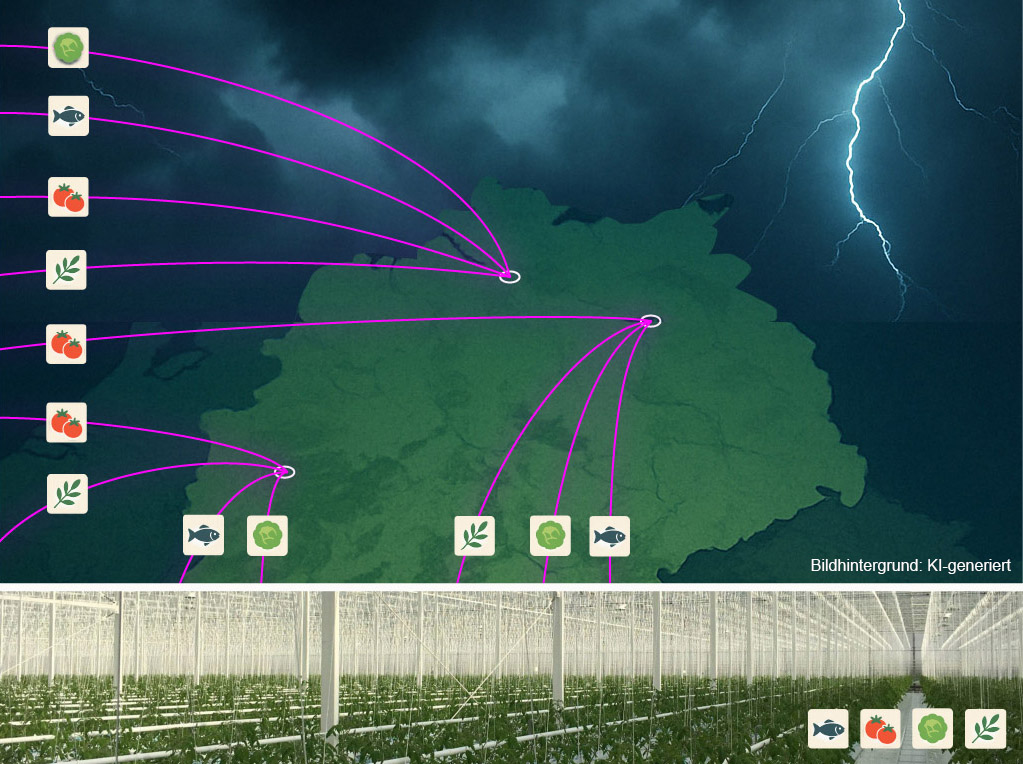
How aquaponics avoids weather risks and creates security of supply: With protected cultivation, short distances and safer products.

For many farmers, a farm shop is the obvious entry point into direct marketing. Their goal is to develop new revenue streams that make them less dependent on conventional marketing channels.